Old Stuff
Amandla! A Revolution in Four-Part Harmony (2002)
Directed by Lee Hirsch
In classic documentary aesthetic form, Amandla! (which means "Power!") starts in the present where the bones of South African composer/activist/poet Vuyisile Mini are exhumed (for what reason we are left to wonder for the time being). At this point we are thrown back into the past. It is 1948 and the all-white National Party adopts apartheid into the heart of its legislative agenda which effectively makes black (and brown) South Africans second-class citizens in their own land. This sets in motion the story of an oppressed people, suffering with monumental struggles, and surviving through whatever means possible… the one thing that remained consistent in their lives was (and is) music. Music begets change. To the South African people change meant freedom. Amandla! tells the story of the a cappella chanting-songs of a revolution and their evolution over five decades of struggle.
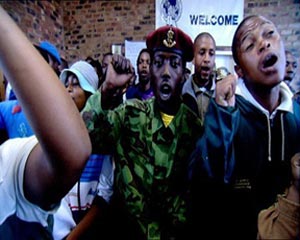
Amandla! was nine years in the making by first time Long Island director Lee Hirsch, bringing together interviews with famous South African musicians, poets, activists as well as everyday people who experienced the repression and showed their resolve to resist. Hirsch's chronicle allows the music of the protest to essentially tell the history of the people. Starting at the beginning of apartheid with the underground anthem "Beware Verwoerd", which warned Hendrik Verwoerd (the architect of apartheid) of the "coming of the black man" and "a day of reckoning will come", I wondered if they thought it would take half a century for that to come true. The various stories are told with a wonderful mixture of contemporary newsreel footage, interviews, photographs, text, and some very well done recreations. This was quite a trick since I am usually annoyed by recreations in documentaries. The smart use of text also allowed for the removal of any use of voice-over (which I also dislike) allowing the information to come through via the interviews and songs with powerful effect.
As we move through the decades, the film tells the stories of those who were exiled from South Africa for no crime other than knowing Nelson Mandela. The idea of even speaking Nelson Mandela's name in public could get you thrown into prison. Notable singer/songwriter Hugh Masekela (who wrote the song, Mandela, a.k.a. Bring Him Back Home) tells of his exile to New York City and of his growing anxiety about losing his native Zulu heritage. To fight this feeling, he begins speaking his language (Xhosa) out loud to himself in Central Park. Concerned passersby call the police because they think he is going mad. Who says that people in New York City don't care about their fellow citizens? There are some funny stories but the intense weight of the film is captured in stories about massacres, riots and oppression. The scene in the jail where the guard shows and explains "the hanging room" is particularly powerful, especially when Hircsh tells the story from different interviews and you get a true understanding of the varying perspectives. Still the joy in the film comes from the songs and we are treated to a mixture once again of the historical use of the music as well as allowing the interviewees to sing to the camera. The "toyi-toyi" dance-meets-song movement during the 1980's was exceptionally powerful and sums up the joy, the sorrow, and the importance of Amandla!
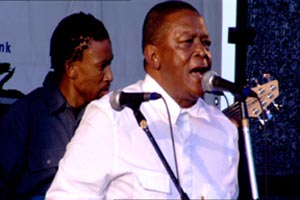
The only flaw of the film is the slight repetitiveness of the storytelling. I did find myself a bit exhausted with the structural devices after awhile but as a film editor I tend to get that way. It would have been refreshing to tell each story with some variation, and although I did like how it was told, I could have used a break from the predictability of the structure every once in awhile. However, all in all, Amandla! is a great film. It's a shame that there are those who avoid documentaries. They miss films like Amandla! and deprive themselves of a feeling of discovery—that powerful sensation of having their eyes opened to the situations and predicaments of real people who live outside their immediate line of sight. That's the true essence of documentary, to give the viewer the chance to walk in their neighbor's shoes. Since everyone knows the result of Nelson Mandela's release from prison and his coming to power in South Africa, the real story is in the journey of these events through song. Power, or amandla, can come from unexpected places, in this case music and the documentary that was inspired by it. About those bones I mentioned at the beginning of the film… well, go see the film to find out why they were exhumed. -- Rating: $6.00
Tony Pellegrino -- copyright 2003